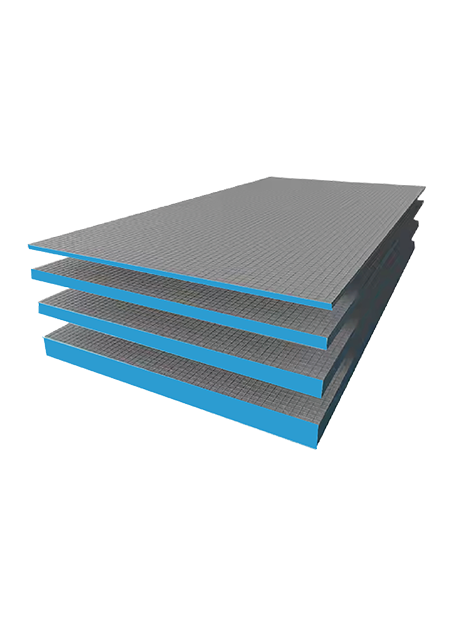
Tile backer board is a purpose-built substrate installed beneath tile to provide a stable, moisture-resistant surface that prevents cracking, mold, and tile failure. Unlike drywall or plywood, which are not designed for wet or tiled environments, tile backer board creates a durable base for floors, walls, and showers.
Types and advantages Common types of tile backer board include cement board, foam-core backer board with cementitious coating, and fiber-cement panels. Cement board offers excellent strength and moisture resistance, while modern foam backer boards (lightweight) simplify handling and speed up installation. All types are engineered to provide a flat, rigid surface that secures tiles and grout for long-term performance.
Where to use it
- Shower tile backer board: In wet areas like showers and tub surrounds, using a water-resistant backer board plus proper waterproofing membrane prevents water infiltration and mold growth. Many installers pair backer board for tile with liquid-applied or sheet membranes for maximum protection.
- Tile backer board floor: For ceramic or porcelain floor tiles, backer board reduces the risk of cracks by decoupling tiles from subfloor movement. It also helps achieve a level surface, improving adhesion and grout life.
Installation best practices
- Prepare the substrate: Ensure the subfloor or studs are structurally sound and free of debris.
- Use the right fasteners and spacing: Follow manufacturer guidelines for screws, staples, or adhesive; maintain recommended joint gaps.
- Seal joints and transitions: Tape joints with alkali-resistant mesh tape and apply thinset or manufacturer-specified sealant. In wet areas, add a waterproofing membrane over the backer board.
- Follow tile manufacturer instructions: Proper thinset, tile type, and curing times are essential for lasting results.
Choosing the right product for your project Select backer board for tile based on location (shower, bathroom, kitchen, floor), expected moisture exposure, and installer preference. For heavy-duty or commercial flooring, cement board or fiber-cement panels may be best. For residential showers, a combination of foam backer board and waterproofing membrane can speed installation while ensuring protection.
Conclusion Investing in proper tile backer board and following installation guidelines ensures a durable, moisture-resistant finish for showers and floors. For factory-direct supply and technical support on choosing the right product, contact our team.