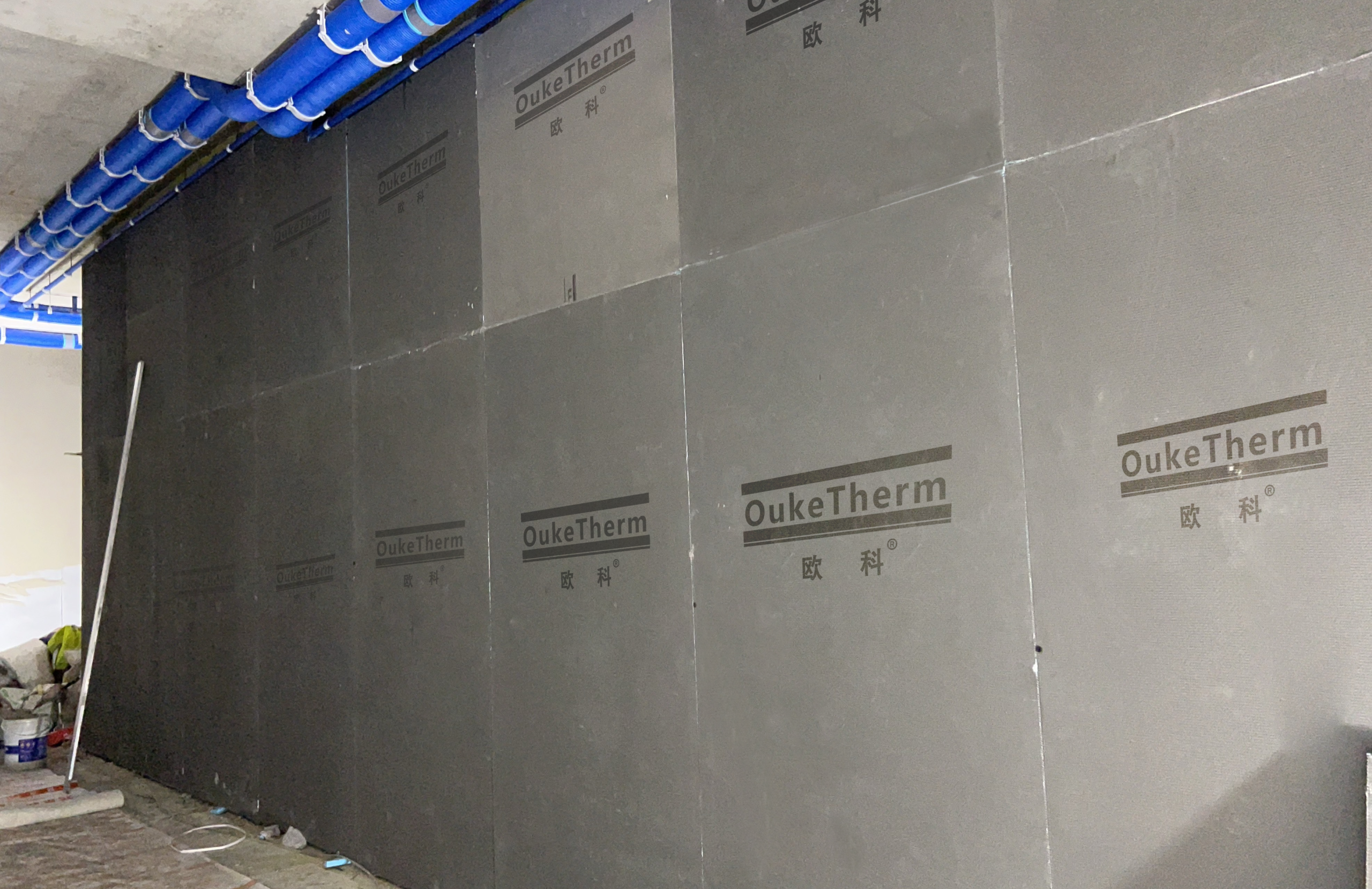
Selecting the right backer board for tile is a critical step in achieving durable, professional results. This guide compares common backer board types and offers selection tips for showers, walls, and floors.
Comparing product types
- Cement backer board: Traditional choice, highly durable and moisture-resistant. Best for wet areas and floors where strength is essential. Heavier and requires cutting tools for installation.
- Foam backer board (hydro-based): Lightweight with a cementitious surface, easy to cut and handle. Provides good moisture resistance when paired with proper sealing; ideal for shower walls and remodels where speed matters.
- Fiber-cement panels: Blend durability and lighter weight, often used in both residential and commercial settings where moderate moisture resistance and impact resistance are needed.
Application-specific guidance
- Shower tile backer board: Prioritize moisture resistance and compatibility with waterproofing membranes. Foam backer boards with liquid or sheet membranes work well for faster installations; cement board remains a robust choice for heavy-duty builds.
- Tile backer board floor: Look for stiffness and load-bearing capacity. Cement board or fiber-cement options reduce flex in the subfloor and lower the risk of grout/crack issues. Proper underlayment and fastener patterns are essential.
Key selection factors
- Moisture exposure: Higher moisture demands denser, cement-based products plus waterproof membranes.
- Weight and handling: Foam panels reduce labor time and fatigue on large jobs.
- Compatibility: Ensure backer board pairs with your chosen tile adhesive, membrane, and tile type.
- Cost and availability: Balance budget with performance—factory-direct suppliers can offer customized sizes and bulk pricing.
Installation tips that affect product choice
- Consider substrate preparation and whether additional leveling is required.
- For retrofit projects, select lighter panels to minimize additional structural load.
- Always follow manufacturer installation guidelines for fasteners, joint treatment, and membrane compatibility.
Conclusion Choosing the right backer board for tile depends on the project’s moisture exposure, structural needs, and installer preference. Contact our factory for product specs, technical sheets, and sample requests to match the best backer board to your project.